Short answer: bathroom renovations vary more in cost than people expect. A small refresh can be very affordable; an ensuite with custom tile and a walk-in shower can cost as much as a modest kitchen. Knowing which side of that spread your project sits on starts with understanding the four decisions that drive the budget.
No quoted prices in this post — that's what walk-throughs are for. But here's the honest breakdown of what shapes the number.
1. Powder room vs. main bath vs. ensuite
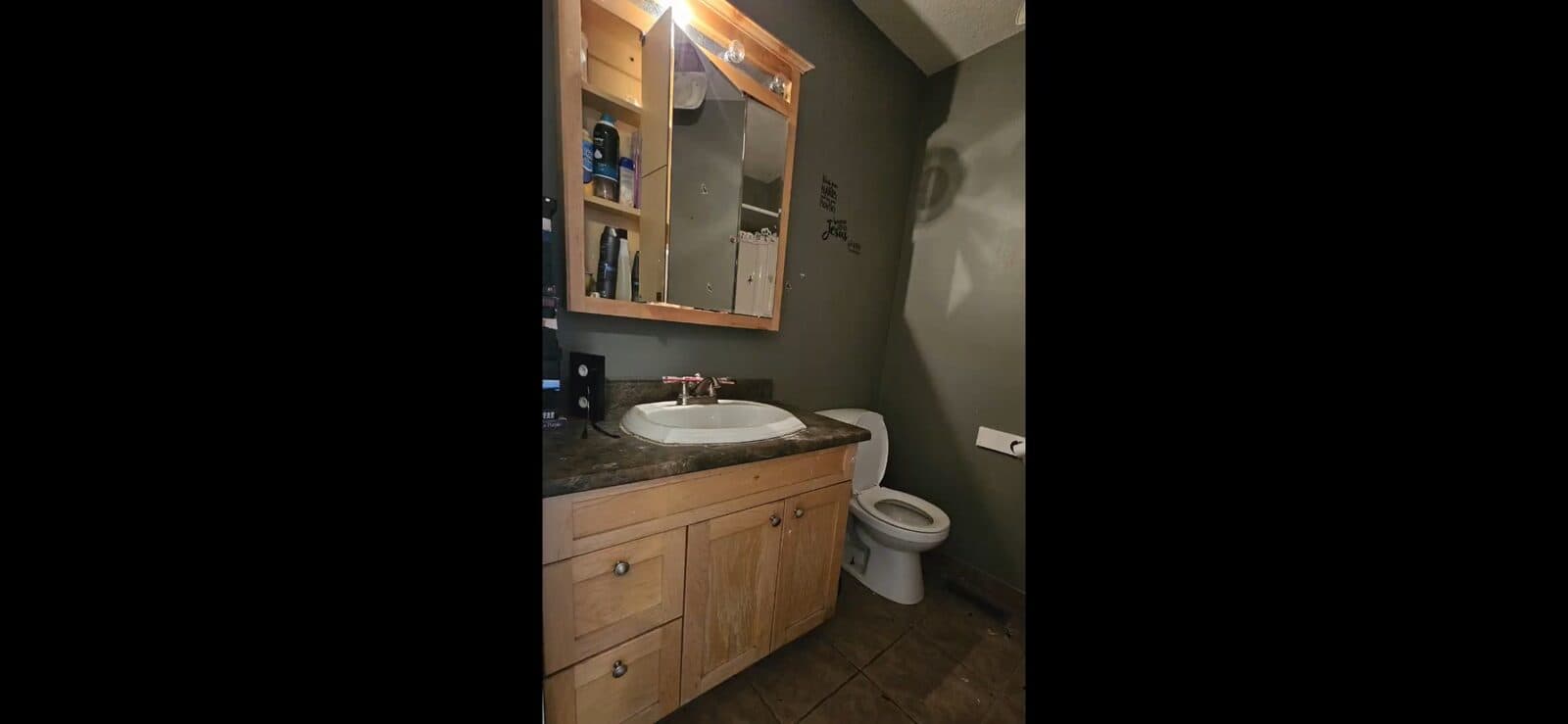
These three categories are entirely different projects. A powder room (toilet + sink, no shower or tub) is the simplest — no waterproofing, no shower glass, no tub. The main bath (3-piece or 4-piece) involves a tub-shower combo or separate shower, waterproofing, tile work, and ventilation. An ensuite is typically the most involved — often a double vanity, a separate walk-in shower with glass, sometimes a free-standing tub, heated floors, and finer finishes.
2. Tub-shower combo vs. separate walk-in shower
A standard alcove tub with a tile or acrylic surround is the baseline. Removing the tub and installing a walk-in shower — especially one with custom tile and a frameless glass enclosure — meaningfully bumps the budget. Walk-in showers also require careful waterproofing, sloped drainage, and (often) niches or benches built into the wall.
3. Tile and finish complexity
Tile is the single most variable line item in a bathroom budget. Decisions that move the number:
- Material: ceramic vs. porcelain vs. natural stone
- Size: large-format tiles take more skill but cover faster; mosaic and pattern tile is labour-intensive
- Pattern complexity: straight stack, herringbone, diagonal, custom feature wall
- Heated floors: in-floor electric heating mat under tile, plus a thermostat
- Niche and bench detail in the shower
4. Plumbing relocation
Moving a toilet, vanity, or shower drain to a new spot means breaking into the floor or wall to relocate the drain and vent. That brings plumbing, framing, and finishing trades into a project that would otherwise have stayed within the existing footprint. Keeping fixtures in place when possible holds the budget down.
What we look at during your walk-through
- Existing layout — what works and what bothers you
- Whether the layout stays or fixtures move
- The state of the existing plumbing rough-in and venting
- Floor condition under the existing tile (rot, mould, deflection)
- Ventilation — a properly vented bathroom prevents mould
Thinking about a bathroom project in Central Alberta? See our bathroom renovation services or read what affects kitchen renovation cost if you're combining projects.