Short answer: there's no “best” flooring for an Alberta home. There's the best flooring for this room, this lifestyle, this budget, this timeline. Here's how to think through the main options without getting lost in marketing pitches.
The main contenders
Luxury vinyl plank (LVP)
The dominant choice for new renovations across Central Alberta right now, and for good reason. LVP is waterproof, dimensionally stable in freeze-thaw climates, kid- and pet-friendly, available in styles that genuinely look like wood, and installs as a click-lock floating floor (which means it can go over many existing subfloors). The higher-quality tiers stand up well to heavy use.
Engineered hardwood
Real wood top layer over a stable plywood core. Looks and feels like hardwood (because it is, on top), but handles humidity changes better than solid hardwood, which matters in Alberta's dry winters and humid summers. More expensive than LVP, but real wood adds genuine resale value in higher-end homes.
Solid hardwood
Classic. Refinishable multiple times. Lasts generations if cared for. But it's sensitive to humidity swings, more expensive, and requires acclimatization before install. Less common in basements and below-grade spaces in Alberta because of moisture concerns.
Tile
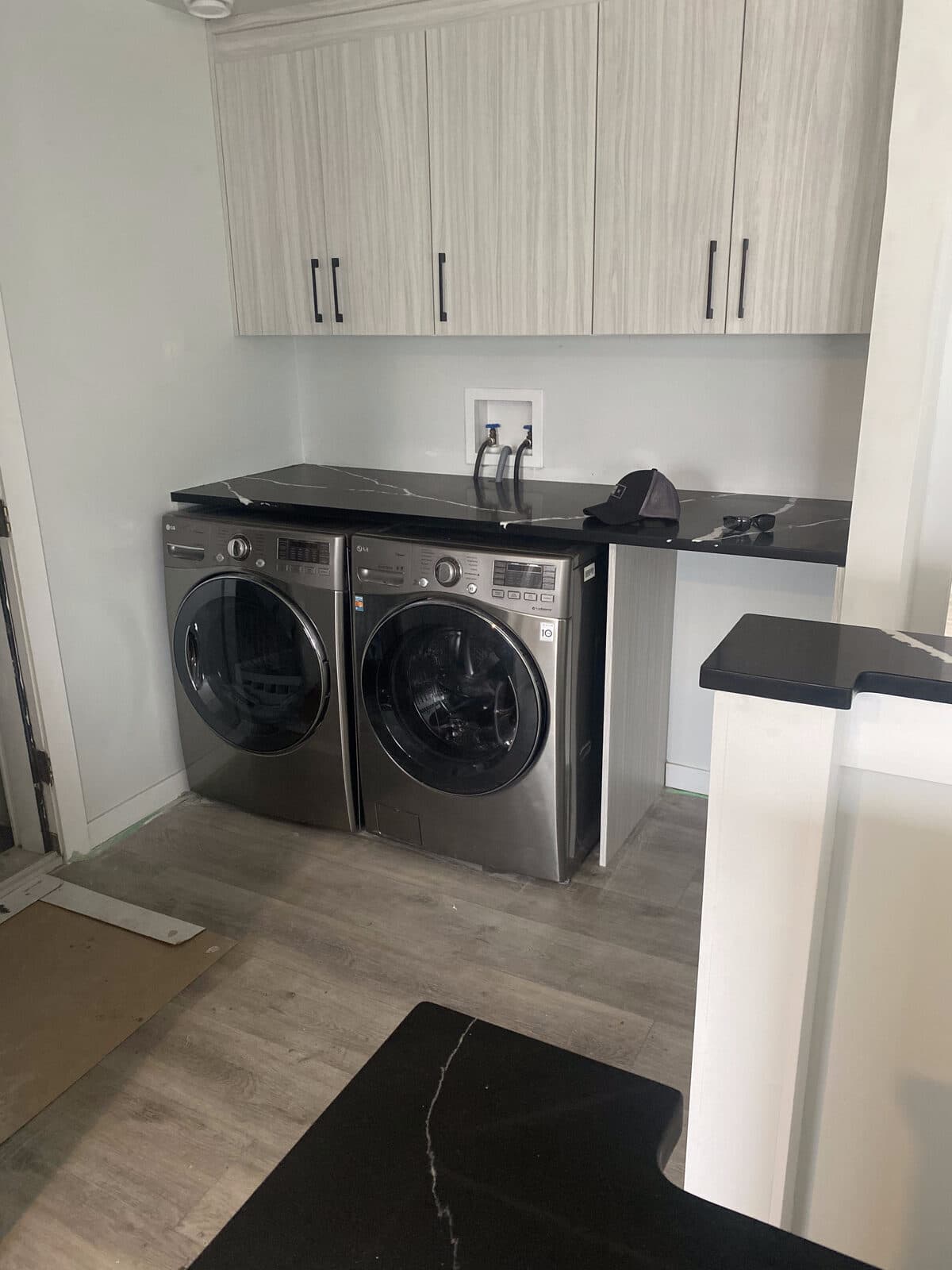
The right answer for bathrooms, mudrooms, laundry rooms, and (often) entryways. Waterproof, durable, easy to clean. Heated underfloor mats can make it comfortable in winter. Cold underfoot otherwise.
Laminate
Older technology that's largely been replaced by LVP for most applications. Cheaper than LVP, but not waterproof and not as forgiving in moisture-prone areas. Still has a budget role.
Carpet
Used to dominate bedrooms; less common now in main living areas. Warmer underfoot, quieter, easier on falls. Modern stain-resistant carpet has come a long way. Often combined with hard floors in main living and kept for bedrooms only.
Decisions that affect the cost beyond material choice
- Subfloor condition. A flat, sound subfloor installs fast. A wavy or damaged subfloor needs leveling or replacement first.
- Existing flooring removal. Tearing out old carpet is easy. Tearing out old glued-down tile is not.
- Layout complexity. Long straight runs are efficient. Lots of cuts around angles, alcoves, and stairs takes more material and labour.
- Transition details. Going from hard floor to carpet to tile means transition strips done right — not an eyesore.
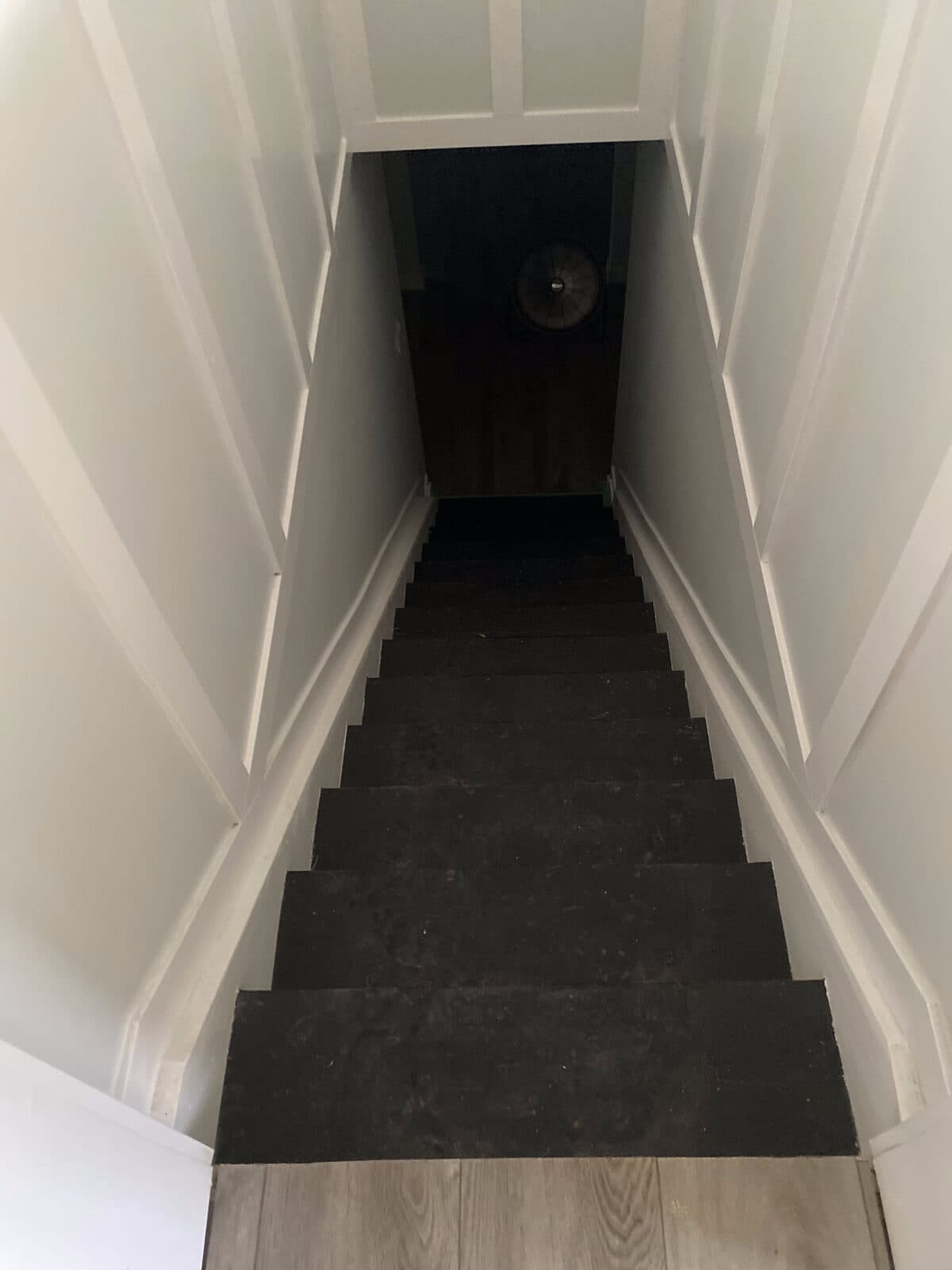
- Stairs. Always more labour-intensive than open floor. Wood or LVP nosing pieces, plus careful tread work.
- Trim and baseboards. Existing baseboards may need to come off and be reinstalled, or replaced entirely.
What we recommend asking yourself
- Is this room wet, dry, or sometimes wet (bathrooms, mudrooms, basements)?
- Kids, pets, heels, parties — what gets dropped, spilled, or scratched?
- Is it on grade, below grade, or above grade? Moisture risk varies.
- How long are you staying? Spend more if you're here for the long haul.
- Comfort underfoot — warm or cool matters, especially in winter
Re-flooring a room or a whole house in Central Alberta? We can walk it with you and tell you what we'd use in each space. See our full services or check out our project gallery for finished floor examples.