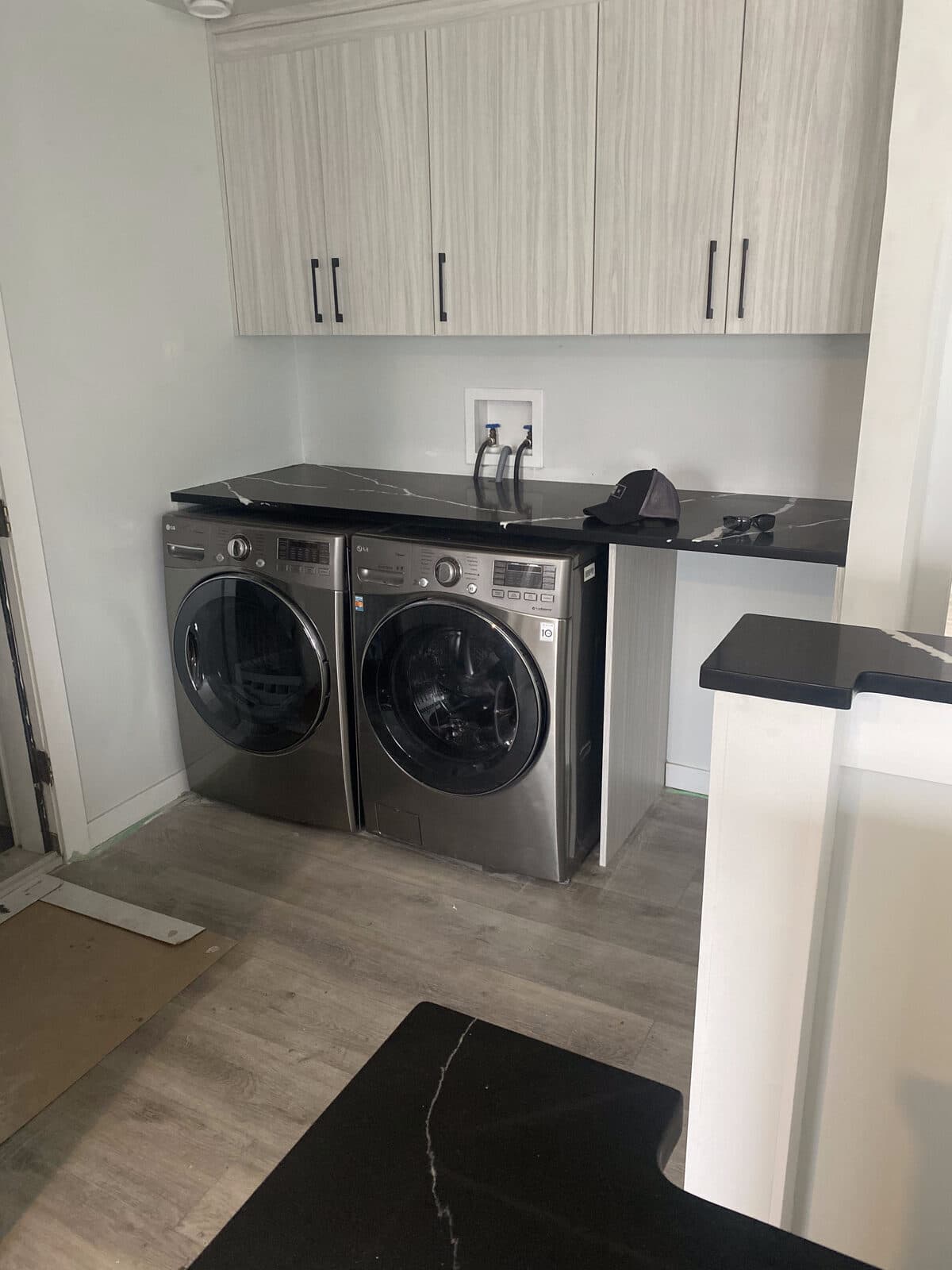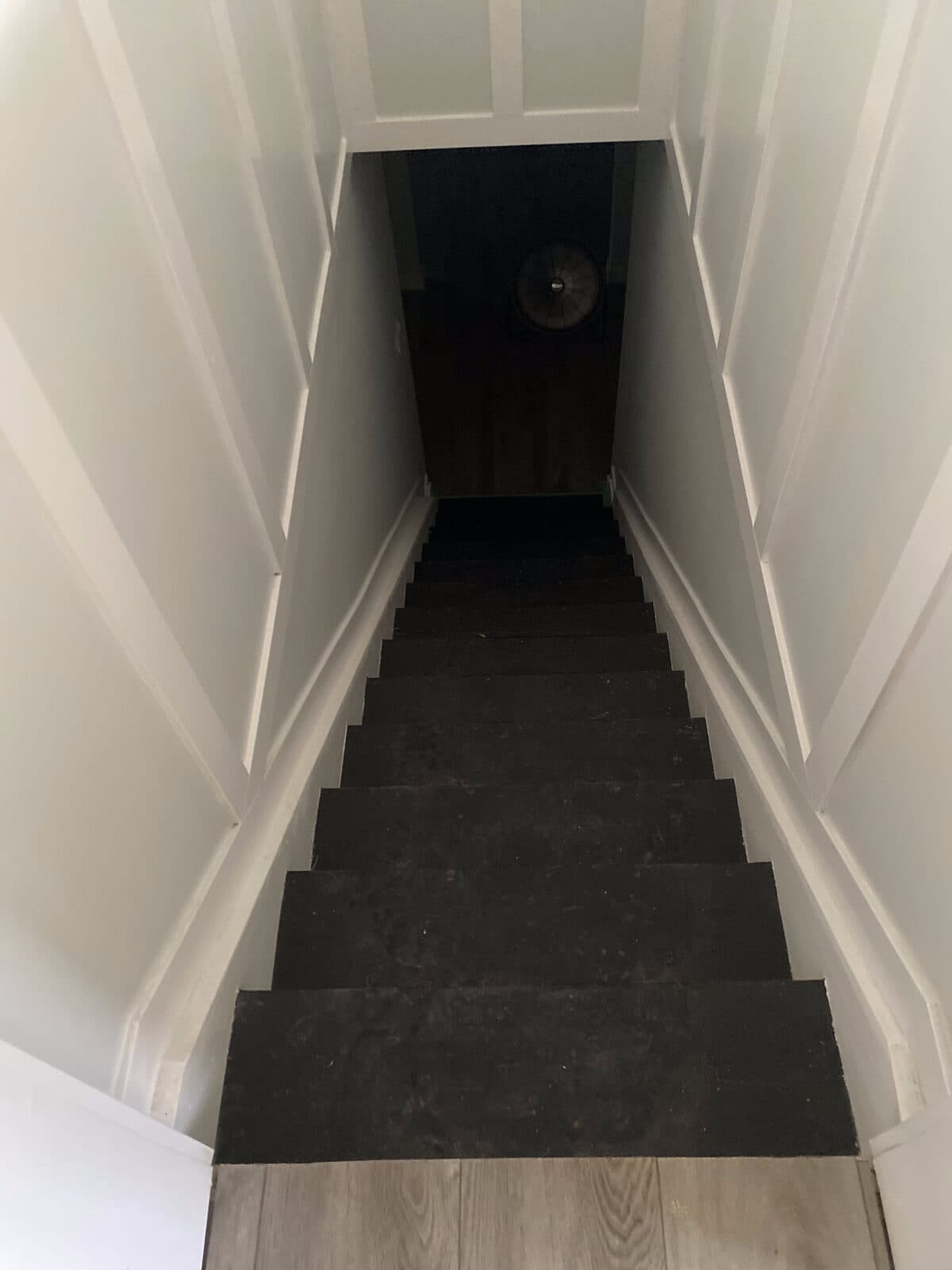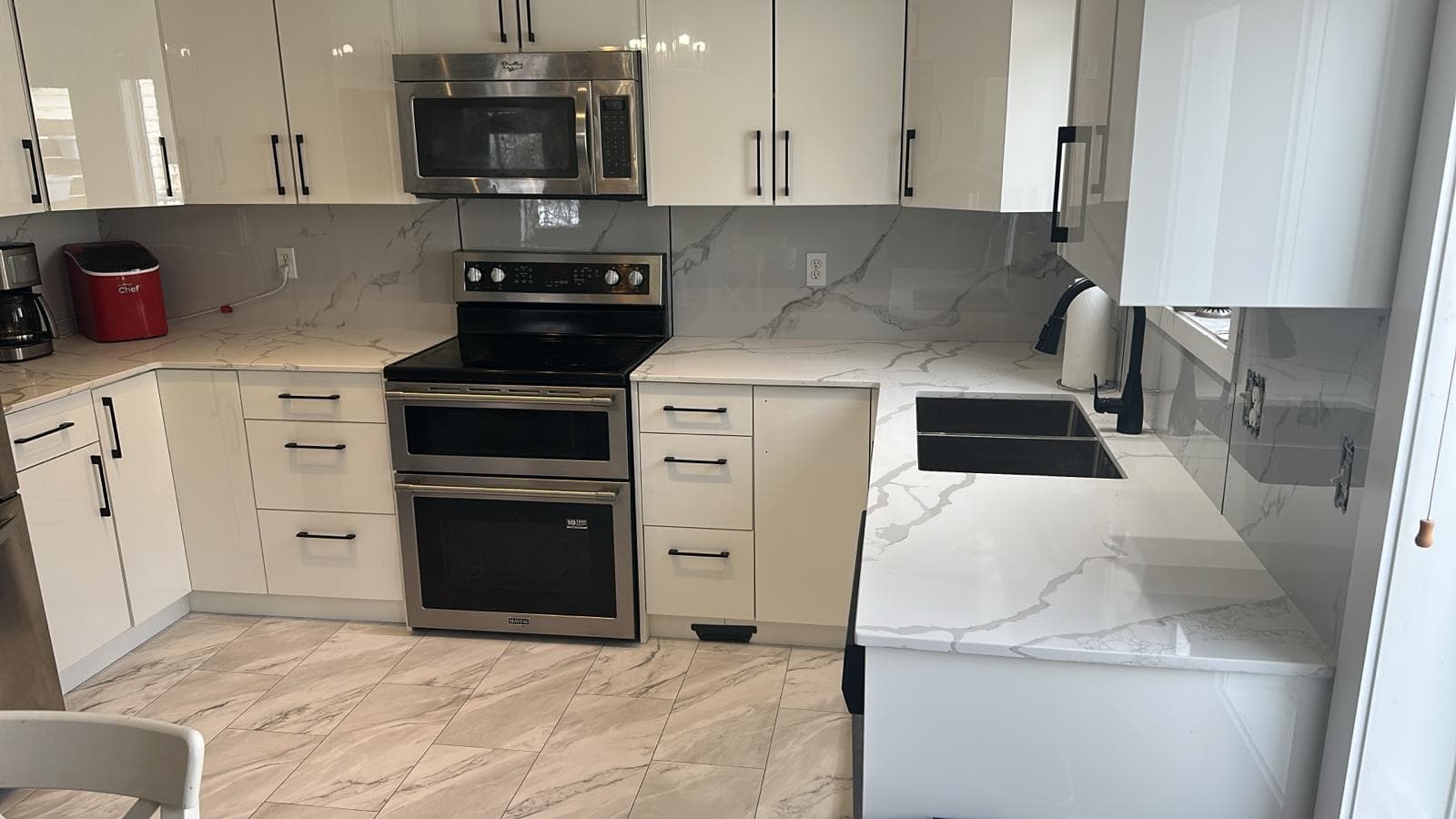
Short answer: a full home renovation isn't one project — it's a series of trades and tasks in a specific order. Getting the order wrong costs you time, money, and (often) tearing out work you just paid for. Whether you're renovating one floor or gutting the whole thing, the sequence below is what protects your budget.
The standard order of operations
- Permits and design. Anything structural, electrical, plumbing, or HVAC almost always needs a permit. Submitting drawings and waiting for approval is the first real step. Build the wait into your timeline.
- Demolition. Out comes whatever doesn't belong in the finished space. This is also when you find out what's actually behind the walls.
- Structural work. Moving load-bearing walls, installing beams, framing additions, repairing rot. Engineer stamps may be required.
- Rough mechanical: plumbing, electrical, HVAC. All the lines that need to be hidden inside walls and floors go in before drywall.
- Inspections (rough-in). Most municipalities require sign-off on rough plumbing and electrical before you cover anything.
- Insulation and vapour barrier.
- Drywall — hung, taped, mudded, sanded.
- Paint primer + first coats.
- Flooring. Depending on type, sometimes before cabinets, sometimes after.
- Cabinets and built-ins.
- Counters and tile. Counters often need to be templated after cabinets are installed.
- Finish electrical and plumbing: fixtures, faucets, outlets, switches, light fixtures.
- Trim, doors, final paint.
- Final inspection and clean.
Skipping or reshuffling any of these gets expensive fast. Painting before drywall sanding is a redo. Flooring before drywall is asking for damage. Hooking up plumbing before inspection means tearing the wall open if the inspector flags something.
Why “rush jobs” cost more
The schedule above has dependencies built in — you can't insulate until rough mechanical is inspected, you can't paint until drywall is sanded, and so on. Trying to speed it up usually means working out of order, paying overtime, or skipping inspections that then have to be redone. Reasonable timelines protect quality and budget.
What changes the timeline most
- Permit approval times — varies by municipality and season
- Custom-order materials with long lead times (cabinets, custom windows, certain tile)
- Change orders mid-project — every time you change your mind, the schedule moves
- What we find during demo (rot, mould, asbestos, outdated wiring) and how much it changes the scope
- Whether you're living in the home during the renovation — work takes longer when access is limited
A full home renovation in Central Alberta is a serious undertaking. We're happy to walk yours with you and lay out a realistic sequence and timeline for your specific home. See our full home renovation services or read about basement suite cost factors if your reno includes a basement build-out.